


Category

Sustainable

Category

Breakfast does not have to be rushed, beige, or pulled from a plastic wrapper. It can be colorful. Textured. Alive. A good breakfast bowl is like edible architecture. You build a base, layer nourishment, and finish with something that makes you smile.

Here are five bowls that are simple, plant based, and steady energy approved.


1. The Green Glow Smoothie Bowl

This one tastes like summer but works year round.

Blend frozen banana, a handful of spinach, almond milk, and a spoonful of almond butter until thick and creamy. Pour into a bowl and top with sliced kiwi, blueberries, chia seeds, and a sprinkle of granola.

Why it works: You get fiber, healthy fats, and slow burning carbs. The greens disappear into the flavor, but your body still gets the benefit.


2. Cozy Cinnamon Apple Oat Bowl

This is the bowl for chilly mornings and wool socks.

Cook rolled oats with almond milk. Stir in diced apples, cinnamon, and a pinch of sea salt. Finish with chopped walnuts and a drizzle of maple syrup.

Why it works: Oats support steady blood sugar, apples add natural sweetness, and walnuts bring omega 3 fats. It is comfort food with a conscience.


3. Savory Sunrise Quinoa Bowl

Not every breakfast needs to be sweet. Savory bowls can be deeply satisfying.

Use leftover cooked quinoa as your base. Add sliced avocado, cherry tomatoes, sautéed greens, and a spoonful of hummus. Finish with hemp seeds and a squeeze of lemon.

Why it works: Quinoa is a complete plant protein. Pair that with healthy fats from avocado and you have a bowl that keeps you full for hours.


4. Creamy Coconut Chia Pudding Bowl

Prep this the night before and wake up feeling organized.

Mix chia seeds with coconut milk and a splash of vanilla. Let it sit overnight in the fridge. In the morning, top with raspberries, toasted coconut flakes, and almond butter.

Why it works: Chia seeds absorb liquid and create a thick texture while delivering fiber and plant based omega 3s. It is simple science in your refrigerator.


5. Sweet Potato Power Bowl

Yes, sweet potatoes for breakfast. Stay with me.

Roast cubed sweet potatoes ahead of time. In the morning, warm them and top with peanut butter, banana slices, pumpkin seeds, and a dash of cinnamon.

Why it works: Sweet potatoes provide complex carbs and beta carotene. Pairing them with protein and fat balances the meal and keeps energy steady.


The beauty of breakfast bowls is their flexibility. Start with a whole food base. Add plants. Include protein. Finish with texture. The combinations are nearly endless.

Food can be functional and joyful at the same time. When your first meal of the day feels intentional, the rest of the day tends to follow suit.
Sustainability does not require a homestead, a composting toilet, or churning your own butter at sunrise. It starts in the small, ordinary places. The kitchen sink. The laundry room. The bathroom cabinet. Tiny swaps, made consistently, are how culture shifts. And homes are where culture lives.

Here are ten simple changes that make a real difference without turning your life upside down.


1. Swap Paper Towels for Reusable Cloths

Paper towels are convenient, but they are a single use habit that quietly adds up. Replace them with cotton cloths or old cut up T shirts. Toss them in the wash and use them again. After a few weeks, grabbing a cloth feels just as automatic.


2. Switch to Refillable Cleaning Products

Many brands now offer concentrated refills. You keep the same bottle and just add water. This reduces plastic waste and cuts down on shipping emissions. Even better, a basic mix of vinegar, baking soda, and castile soap can clean most surfaces effectively.


3. Trade Plastic Wrap for Beeswax Wraps

Beeswax wraps are reusable, moldable, and surprisingly durable. They cover bowls, wrap sandwiches, and store leftovers without creating a steady stream of cling film trash.


4. Install LED Light Bulbs

LED bulbs use significantly less energy and last far longer than traditional incandescent bulbs. Lower energy use means fewer fossil fuels burned at the power plant. It is a small change with measurable impact.


5. Ditch Disposable Water Bottles

A high quality reusable water bottle saves money and keeps plastic out of landfills and oceans. If you want to go further, add a simple home water filter to reduce reliance on bottled water entirely.


6. Compost Food Scraps

Food waste in landfills creates methane, a potent greenhouse gas. Composting turns scraps into nutrient rich soil instead. If you have a yard, a simple bin works. If you live in an apartment, countertop composters or local compost drop programs make it accessible.


7. Swap Synthetic Sponges for Natural Ones

Many kitchen sponges are made from petroleum based plastics. Natural cellulose sponges, coconut fiber scrubbers, or wooden dish brushes last longer and break down naturally at the end of their life.


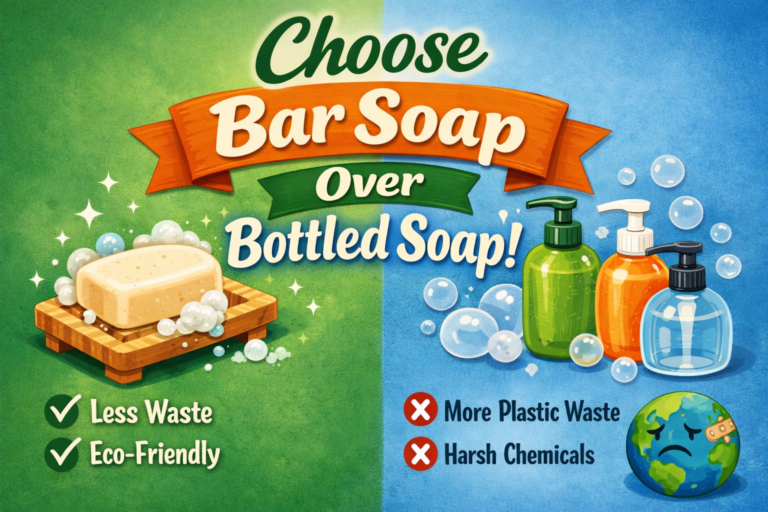
8. Choose Bar Soap Over Bottled Soap

Liquid soap often comes in plastic bottles. Bar soap eliminates that packaging entirely. The same goes for shampoo bars. Fewer bottles, less waste, same clean hair.


9. Wash Laundry in Cold Water

Most of the energy used in laundry goes toward heating water. Washing in cold water saves energy and is gentler on fabrics. Modern detergents are designed to work effectively at lower temperatures.


10. Buy Secondhand Before Buying New

Before purchasing something new, check local thrift shops or online marketplaces. Extending the life of an item reduces the demand for new manufacturing, which means fewer raw materials extracted and less energy consumed.


Sustainable living is not about perfection. It is about direction. Each small swap is a vote for the kind of world you want to live in. And when those votes add up across neighborhoods, cities, and communities, something powerful happens.

A more sustainable home is not built in a weekend. It is built choice by choice, habit by habit, until caring for the planet simply feels normal.