


Author

Ivy Wilder

Browsing

If you want to see real change happening, look small.

Big corporations move like cruise ships. Small businesses move like canoes. They pivot faster, experiment boldly, and often care deeply because the owner’s name is on the door and their kids are playing in the same air and water the rest of us share.

Sustainability is not just a marketing word for many of these makers. It is personal.

Here are a few kinds of small businesses quietly leading the way.


The Refill Shop on the Corner

Across the country, locally owned refill shops are popping up. You bring your own containers and refill everything from dish soap to shampoo to laundry detergent.

The science here is simple. Reuse the container and eliminate single use plastic. The impact compounds over time. One neighborhood refill shop can prevent thousands of bottles from entering landfills each year.

These stores also build community. You meet your neighbors while measuring out soap. Commerce slows down. Conversations happen.


The Regenerative Farm Down the Road

Small farms practicing regenerative agriculture are doing something radical. They are rebuilding soil.

Regenerative farming focuses on crop rotation, compost, minimal tilling, and integrating animals in thoughtful ways. Healthy soil stores carbon. It holds water better. It supports biodiversity underground in ways most of us never see.

Buying from a local regenerative farm supports more than just a tomato. It supports a system that works with natural cycles instead of against them.


The Clothing Brand That Repairs What It Sells

Fast fashion is one of the most resource intensive industries on the planet. Some small clothing brands are pushing back by designing durable pieces and offering repair programs.

Instead of encouraging constant replacement, they encourage longevity. Mending becomes a feature, not a flaw.

There is something quietly revolutionary about a business model built on keeping what you already own.


The Zero Waste Café

A handful of small cafés are experimenting with compostable packaging, reusable mug programs, and sourcing from local producers.

Food waste is one of the largest contributors to landfill methane. Zero waste cafés often partner with composting services and track their waste output carefully. They treat trash like data.

When your morning coffee comes with less waste and more intention, it subtly shifts expectations.


The Upcycled Furniture Maker

Some artisans build beautiful furniture from reclaimed wood, salvaged metal, or materials headed for the dump.

This reduces the need for new raw materials and keeps usable resources in circulation. It is a real world example of the circular economy, where materials are reused instead of discarded.

It also adds character. Reclaimed wood carries history in its grain.


Why This Matters

Small businesses may not have billion dollar budgets, but they have something more powerful. Agility. Accountability. Authenticity.

They test ideas before they are mainstream. They create local solutions to global problems. They remind us that sustainability is not abstract policy alone. It is daily practice.

When you choose to support a small, sustainability focused business, you are voting with your wallet for the kind of economy you want to see grow.

Systems change can feel overwhelming. But culture often shifts from the ground up. One refill station. One farm. One repaired jacket. One reclaimed table.

Change rarely arrives as a thunderclap. More often, it shows up as a quiet storefront with the lights on and a handwritten sign that says, We are trying to do this better.

Breakfast does not have to be rushed, beige, or pulled from a plastic wrapper. It can be colorful. Textured. Alive. A good breakfast bowl is like edible architecture. You build a base, layer nourishment, and finish with something that makes you smile.

Here are five bowls that are simple, plant based, and steady energy approved.


1. The Green Glow Smoothie Bowl

This one tastes like summer but works year round.

Blend frozen banana, a handful of spinach, almond milk, and a spoonful of almond butter until thick and creamy. Pour into a bowl and top with sliced kiwi, blueberries, chia seeds, and a sprinkle of granola.

Why it works: You get fiber, healthy fats, and slow burning carbs. The greens disappear into the flavor, but your body still gets the benefit.


2. Cozy Cinnamon Apple Oat Bowl

This is the bowl for chilly mornings and wool socks.

Cook rolled oats with almond milk. Stir in diced apples, cinnamon, and a pinch of sea salt. Finish with chopped walnuts and a drizzle of maple syrup.

Why it works: Oats support steady blood sugar, apples add natural sweetness, and walnuts bring omega 3 fats. It is comfort food with a conscience.


3. Savory Sunrise Quinoa Bowl

Not every breakfast needs to be sweet. Savory bowls can be deeply satisfying.

Use leftover cooked quinoa as your base. Add sliced avocado, cherry tomatoes, sautéed greens, and a spoonful of hummus. Finish with hemp seeds and a squeeze of lemon.

Why it works: Quinoa is a complete plant protein. Pair that with healthy fats from avocado and you have a bowl that keeps you full for hours.


4. Creamy Coconut Chia Pudding Bowl

Prep this the night before and wake up feeling organized.

Mix chia seeds with coconut milk and a splash of vanilla. Let it sit overnight in the fridge. In the morning, top with raspberries, toasted coconut flakes, and almond butter.

Why it works: Chia seeds absorb liquid and create a thick texture while delivering fiber and plant based omega 3s. It is simple science in your refrigerator.


5. Sweet Potato Power Bowl

Yes, sweet potatoes for breakfast. Stay with me.

Roast cubed sweet potatoes ahead of time. In the morning, warm them and top with peanut butter, banana slices, pumpkin seeds, and a dash of cinnamon.

Why it works: Sweet potatoes provide complex carbs and beta carotene. Pairing them with protein and fat balances the meal and keeps energy steady.


The beauty of breakfast bowls is their flexibility. Start with a whole food base. Add plants. Include protein. Finish with texture. The combinations are nearly endless.

Food can be functional and joyful at the same time. When your first meal of the day feels intentional, the rest of the day tends to follow suit.

Sustainability does not require a homestead, a composting toilet, or churning your own butter at sunrise. It starts in the small, ordinary places. The kitchen sink. The laundry room. The bathroom cabinet. Tiny swaps, made consistently, are how culture shifts. And homes are where culture lives.

Here are ten simple changes that make a real difference without turning your life upside down.


1. Swap Paper Towels for Reusable Cloths

Paper towels are convenient, but they are a single use habit that quietly adds up. Replace them with cotton cloths or old cut up T shirts. Toss them in the wash and use them again. After a few weeks, grabbing a cloth feels just as automatic.


2. Switch to Refillable Cleaning Products

Many brands now offer concentrated refills. You keep the same bottle and just add water. This reduces plastic waste and cuts down on shipping emissions. Even better, a basic mix of vinegar, baking soda, and castile soap can clean most surfaces effectively.


3. Trade Plastic Wrap for Beeswax Wraps

Beeswax wraps are reusable, moldable, and surprisingly durable. They cover bowls, wrap sandwiches, and store leftovers without creating a steady stream of cling film trash.


4. Install LED Light Bulbs

LED bulbs use significantly less energy and last far longer than traditional incandescent bulbs. Lower energy use means fewer fossil fuels burned at the power plant. It is a small change with measurable impact.


5. Ditch Disposable Water Bottles

A high quality reusable water bottle saves money and keeps plastic out of landfills and oceans. If you want to go further, add a simple home water filter to reduce reliance on bottled water entirely.


6. Compost Food Scraps

Food waste in landfills creates methane, a potent greenhouse gas. Composting turns scraps into nutrient rich soil instead. If you have a yard, a simple bin works. If you live in an apartment, countertop composters or local compost drop programs make it accessible.


7. Swap Synthetic Sponges for Natural Ones

Many kitchen sponges are made from petroleum based plastics. Natural cellulose sponges, coconut fiber scrubbers, or wooden dish brushes last longer and break down naturally at the end of their life.


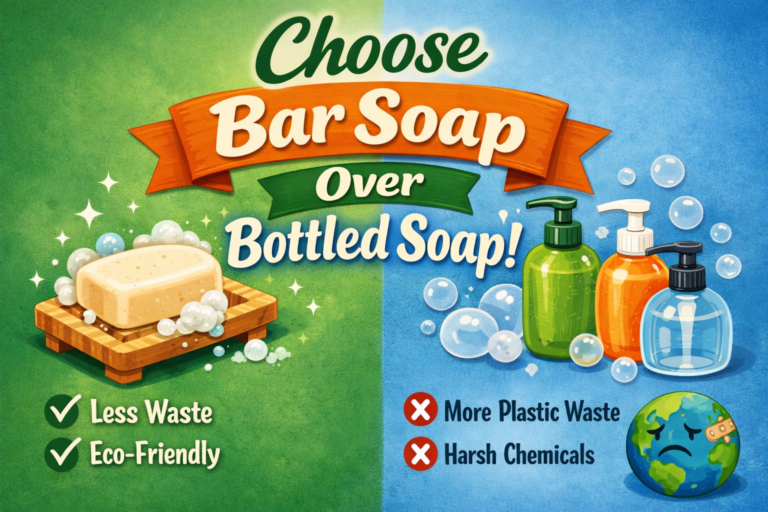
8. Choose Bar Soap Over Bottled Soap

Liquid soap often comes in plastic bottles. Bar soap eliminates that packaging entirely. The same goes for shampoo bars. Fewer bottles, less waste, same clean hair.


9. Wash Laundry in Cold Water

Most of the energy used in laundry goes toward heating water. Washing in cold water saves energy and is gentler on fabrics. Modern detergents are designed to work effectively at lower temperatures.


10. Buy Secondhand Before Buying New

Before purchasing something new, check local thrift shops or online marketplaces. Extending the life of an item reduces the demand for new manufacturing, which means fewer raw materials extracted and less energy consumed.


Sustainable living is not about perfection. It is about direction. Each small swap is a vote for the kind of world you want to live in. And when those votes add up across neighborhoods, cities, and communities, something powerful happens.

A more sustainable home is not built in a weekend. It is built choice by choice, habit by habit, until caring for the planet simply feels normal.

Here’s an expanded outline for the **“The Ultimate Guide to Eco-Friendly Camping Gear”** post under Outdoor Adventures:

### **The Ultimate Guide to Eco-Friendly Camping Gear**

This post will serve as a comprehensive guide to sustainable camping essentials, helping readers choose eco-conscious items for a low-impact camping experience. Here’s a full outline:

1. **Introduction:**

* Open by explaining the importance of eco-friendly gear, especially for campers who want to enjoy the beauty of nature while minimizing their environmental footprint.
* Briefly mention how sustainable gear often lasts longer and reduces waste over time.

2. **Eco-Friendly Essentials:**

* **Solar-Powered Lanterns & Chargers**:

* Talk about how solar-powered devices reduce reliance on disposable batteries.
* Highlight popular options for solar lanterns, string lights, and chargers for devices.
* Mention brands like Goal Zero or BioLite known for innovative, renewable-powered products.

* **Biodegradable Toiletries**:

* Recommend biodegradable soap, toothpaste, and wet wipes.
* Include tips on Leave No Trace practices when using toiletries near water sources.
* Suggest brands like Dr. Bronner’s for multi-purpose biodegradable soaps.

* **Recycled or Organic Tents & Sleeping Bags**:

* Discuss tents and sleeping bags made from recycled materials or organic fibers.
* Mention specific brands like Big Agnes or Patagonia, which use recycled materials in their products.
* Cover how durable, high-quality gear not only lasts longer but can also be repurposed or recycled at the end of its life.

* **Reusable & Lightweight Camp Cookware**:

* Recommend stainless steel or titanium cookware as eco-friendly, durable options.
* Suggest nesting cookware sets to minimize packing space and avoid single-use items.
* Cover eco-friendly ways to clean and care for camping cookware to extend its lifespan.

* **Reusable Water Bottles and Filters**:

* Emphasize the importance of avoiding plastic water bottles by using durable, reusable ones.
* Discuss portable water filtration systems, such as LifeStraw or Sawyer filters, which allow campers to drink safely from natural water sources without creating waste.

* **Eco-Friendly Fire Starters and Cooking Solutions**:

* Highlight sustainable fire starters made from recycled materials or natural ingredients, like beeswax-based fire starters.
* Mention alternatives to traditional campfires, like portable, smokeless stoves (e.g., BioLite) that use natural materials as fuel and have minimal impact on the ground.

3. **Additional Tips for Sustainable Camping**:

* **Leave No Trace Principles**: Provide a quick overview of the Leave No Trace principles, including packing out trash, respecting wildlife, and minimizing campfire impact.
* **Pack Lightweight, Multi-Use Gear**: Encourage readers to bring gear that serves multiple purposes, reducing what they need to carry and lessening their overall impact.

4. **Conclusion:**

* Wrap up with a call to action, encouraging readers to make mindful choices with their gear, invest in quality, and consider sustainability when making outdoor purchases. Remind them that a sustainable camping experience enhances the beauty and longevity of the natural spaces they love to explore.

This post would educate and inspire readers to invest in eco-friendly camping gear, making it practical and actionable for people passionate about enjoying nature responsibly. Let me know if you’d like more detail on any of these sections!